
Economic and Environmental Impact (ESG)
Introduction
In this section, we'll explore the environmental, social, and governance (ESG) aspects of Bitcoin mining. We'll delve into how Bitcoin miners impact energy grids, contribute to the future of energy abundance, and make use of otherwise wasted energy. We'll also discuss the benefits of grid curtailment, the role of Bitcoin mining in supporting sustainable energy projects, and its potential to reduce methane flaring. Finally, we'll highlight the positive social impact of Bitcoin mining, particularly in revitalizing remote communities and creating economic opportunities in underdeveloped areas. By the end of this section, you'll have a comprehensive understanding of the broader implications of Bitcoin mining beyond just its financial aspects.
Bitcoin Mining Impact on Energy Grids
Bitcoin miners play a crucial role in balancing energy grids, enhancing their resilience during times of stress, and helping to lower the marginal cost of energy production, which can reduce prices for other consumers. As energy buyers of last resort, Bitcoin miners provide a steady demand for electricity, allowing energy companies to sell large quantities of energy year-round. This consistent demand supports the economic viability of expanding and upgrading energy grids, making it easier to justify investments in larger, more robust infrastructure.
What sets Bitcoin miners apart from other constant energy consumers, such as hospitals, is their unique flexibility. Bitcoin mining operations can be paused instantly during periods of peak demand, effectively returning energy to the grid when it’s needed most. This ability to quickly ramp down consumption provides a valuable tool for grid operators, helping to stabilize the grid and prevent outages during times of high stress. By acting as a flexible load, Bitcoin miners contribute to a more efficient and resilient energy system.
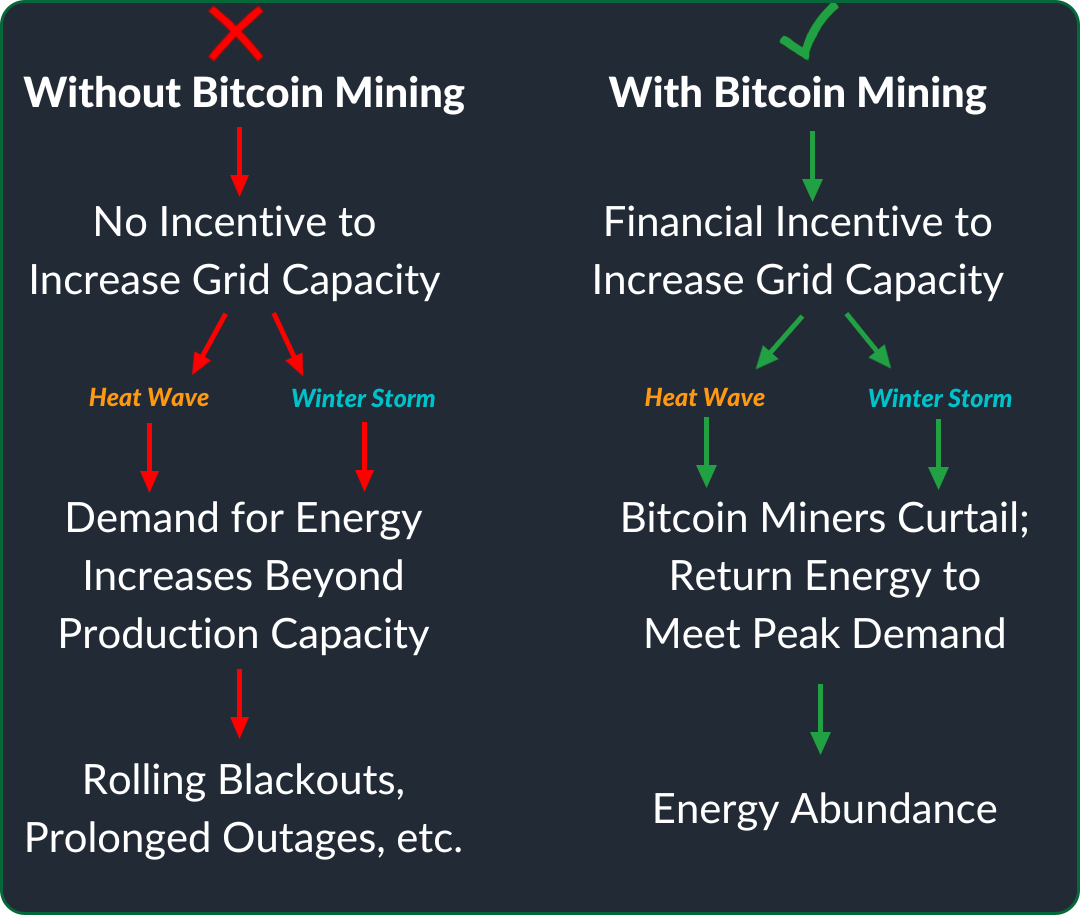
Benefits to the grid / future of energy abundance
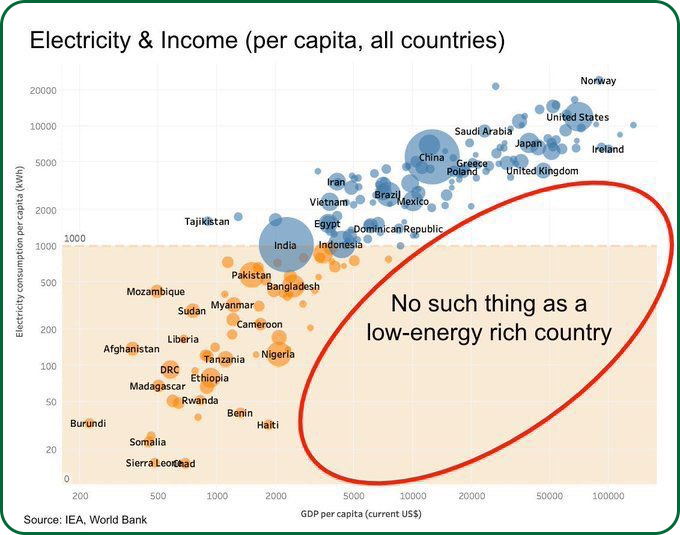
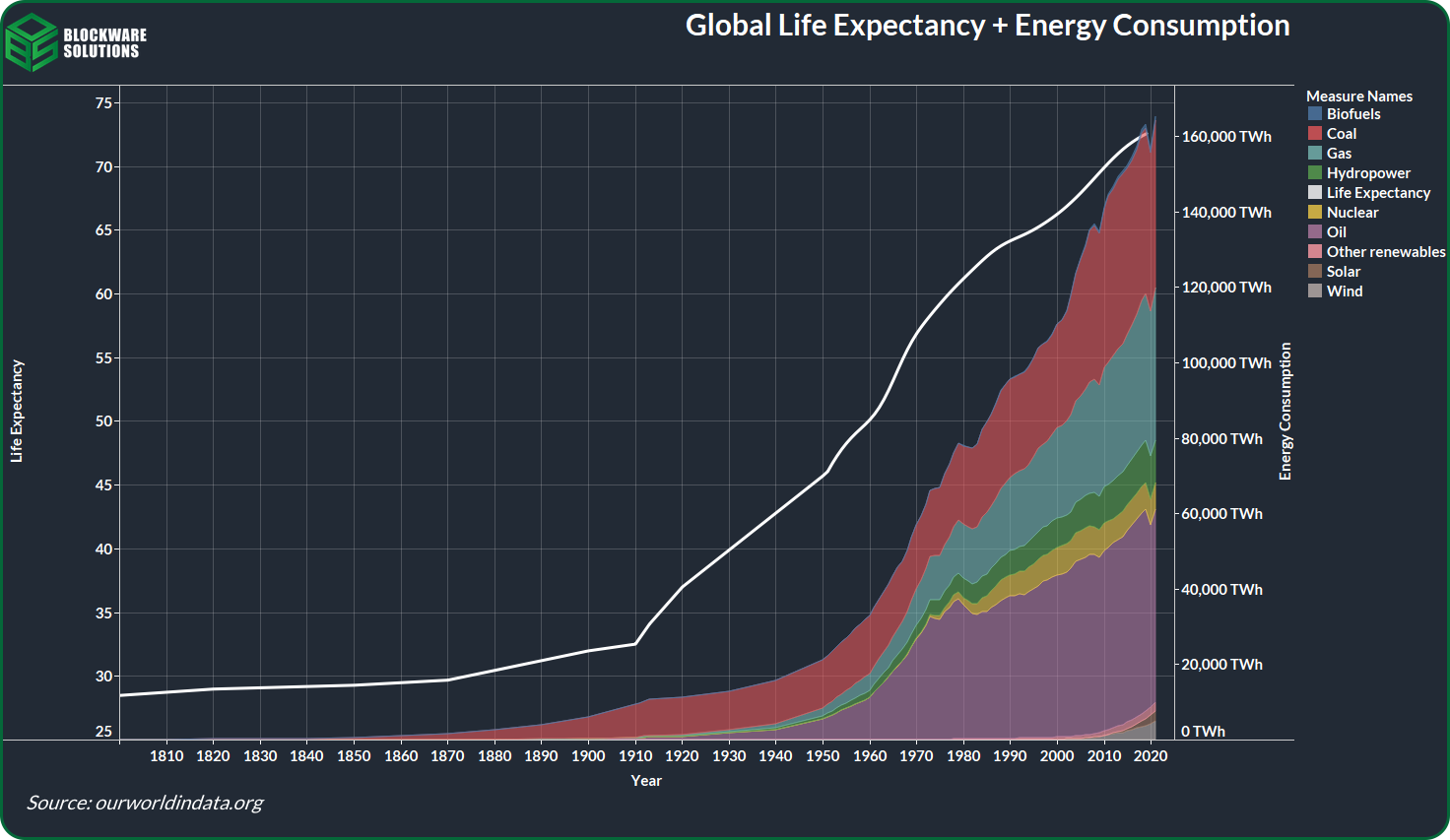
Bitcoin miners, as energy buyers of last resort, create a powerful incentive for energy companies to increase their energy production. This increased production is not just about meeting immediate demand; it also paves the way for a future of energy abundance. Energy is the cornerstone of modern life, directly impacting life expectancy, quality of life, and economic development. As energy production scales up to meet the consistent demand from Bitcoin miners, we move closer to a world where energy is more abundant, affordable, and accessible for everyone.
The connection between energy production and life quality is clear. Countries with higher energy consumption per capita tend to have longer life expectancies and better overall living standards. By driving the expansion of energy infrastructure, Bitcoin mining can contribute to this positive trend, supporting the development of more resilient and prosperous societies.
Energy waste
In regions like coal country, where high-energy industries have shut down, electricity grids are often left with a significant surplus of power. This unused energy represents a missed opportunity and a costly inefficiency for both the grid operators and the communities that depend on them. Without a steady demand, the infrastructure that was once vital to powering large-scale operations begins to lose its economic justification, leading to higher costs for maintaining the grid and, ultimately, higher energy prices for remaining consumers.
Bitcoin mining presents a unique solution to this challenge by providing a new source of demand for these underutilized grids. By establishing mining operations in areas with excess energy capacity, Bitcoin miners can effectively absorb this surplus power, converting what would otherwise be wasted into valuable economic output. This not only helps stabilize the grid by balancing supply and demand but also breathes new life into regions that have experienced economic decline due to the closure of traditional high-energy industries. By turning wasted energy into a productive resource, Bitcoin mining can play a crucial role in revitalizing these communities and making energy usage more efficient and sustainable.
Grid Curtailment and Bitcoin Mining
Grid curtailment occurs when energy production surpasses demand, forcing utilities to reduce or "curtail" the output to prevent overloading the system. This situation often leads to significant energy waste and economic losses, as the excess power that could be utilized productively is instead left unused. Traditional energy consumers, such as factories or large industrial operations, lack the flexibility to rapidly adjust their energy consumption, making it difficult for utilities to balance supply and demand efficiently. This is where Bitcoin miners come into play as a unique and valuable resource for the energy grid.
Bitcoin mining operations are exceptionally flexible and can be adjusted in real-time to meet the exact requirements of a utility. Unlike most industrial processes, which require steady, continuous power, Bitcoin miners can be powered down or scaled back instantly, allowing them to respond to grid curtailment requests with precision. During periods of high demand or grid stress, miners can reduce their energy usage, freeing up power for other critical needs. This ability to rapidly curtail power consumption not only helps utilities manage the grid more effectively but also prevents energy waste and supports overall grid resilience. By acting as a highly responsive demand resource, Bitcoin miners contribute to a more efficient and balanced energy system, ensuring that every watt of generated power is either used productively or conserved when necessary.
Bitcoin Mining Benefits the Energy Mix
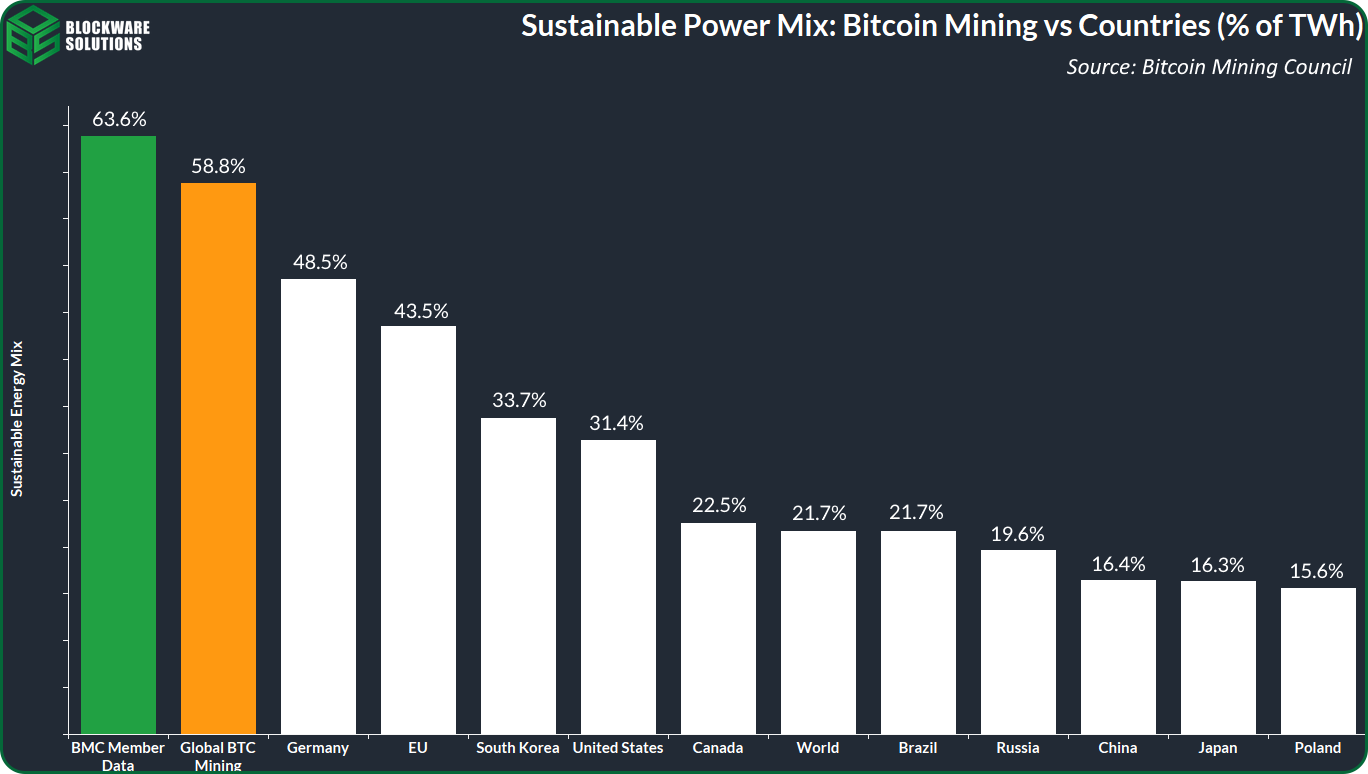
Bitcoin mining's unique ability to operate anywhere with an internet connection has allowed it to thrive in remote regions with cheap and abundant energy. This flexibility has driven miners to locations where energy is plentiful but underutilized, often tapping into renewable energy sources that would otherwise be wasted. The United States has become a particularly attractive destination for Bitcoin miners due to its stable energy prices, lower inflation, political stability, and secure property rights. These factors make it an ideal environment for mining operations, and in turn, support the growth of renewable energy infrastructure.
The presence of Bitcoin miners has created a strong financial incentive for energy companies to invest in sustainable energy sources. Knowing that Bitcoin miners are reliable consumers of energy—even in remote or off-peak locations—energy companies are more willing to build and expand renewable energy projects. This demand has contributed to a significant shift in the energy mix used by Bitcoin miners, with approximately 58% of their energy now coming from sustainable sources. This not only helps to reduce the carbon footprint of Bitcoin mining but also accelerates the global transition towards a more sustainable energy future. By consistently purchasing energy that might otherwise go unused, Bitcoin miners play a crucial role in making renewable energy projects financially viable and encouraging the development of a greener energy grid.
Methane flaring prevention
Methane flaring, the process of burning off excess natural gas during oil production, is a significant environmental issue, with over 144 billion cubic meters of gas flared annually. This practice contributes approximately 400 million tons of CO2 emissions to the atmosphere each year, exacerbating global climate change. However, Bitcoin mining offers a compelling solution to this problem by providing a profitable alternative use for the gas that would otherwise be wasted.
Bitcoin miners are uniquely positioned to capitalize on this stranded energy by setting up operations in remote locations where oil production occurs. Instead of allowing the gas to be flared, miners can convert it into electricity to power their operations, effectively turning a harmful waste product into a valuable resource. This practice not only reduces CO2 emissions but also helps to mitigate the environmental impact of flaring. According to estimates from the White House, Bitcoin mining emits approximately 154 million tons of CO2 annually, which is less than half the emissions caused by flaring. This suggests that, with wider adoption, Bitcoin mining has the potential to achieve a net-negative carbon footprint by repurposing flared gas and reducing overall greenhouse gas emissions.
Revitalizing Remote Communities
Historically, innovative industries have concentrated their economic impact in large metropolitan areas, fueling job creation and growth in cities like Detroit with the automotive industry, Silicon Valley with technology, and New York with banking. However, Bitcoin mining stands out by bringing jobs and economic revitalization to remote and often economically distressed regions. Unlike traditional industries that gravitate toward urban centers, Bitcoin mining operations are drawn to locations with abundant, affordable energy—often in rural or underdeveloped areas.
For instance, Blockware operates two data centers in Eastern Kentucky, a region once prosperous due to its coal industry but later plunged into economic hardship due to federal legislation that severely impacted coal production. These Bitcoin mining facilities are housed in refurbished coal mining operations, employing many individuals whose families have worked in coal for generations. By repurposing these old industrial sites, Bitcoin mining not only preserves the heritage of these communities but also provides high-paying jobs that are essential for local economic recovery. This story is just one of many across the Bitcoin mining industry, where miners are bringing opportunities and growth to areas that have long been overlooked.
Creating Economic Opportunities in Underdeveloped Areas
The impact of Bitcoin mining extends far beyond the technology itself; it creates meaningful economic opportunities in areas that have been left behind by other industries. In many cases, these mining operations are the first major economic initiative to invest in these regions in decades, offering new hope to communities that have faced long-term decline. By setting up in remote areas, Bitcoin miners bring much-needed jobs and infrastructure improvements, often transforming these locations into hubs of economic activity.
In addition to job creation, Bitcoin mining also fosters the development of local businesses that support the industry, such as construction, logistics, and maintenance services. This ripple effect of economic growth not only benefits the immediate workforce but also helps to stabilize and uplift the broader community. As a result, Bitcoin mining plays a crucial role in bridging the economic divide between urban and rural areas, ensuring that the benefits of technological innovation reach even the most remote parts of the country.
Conclusion
We've explored the diverse impacts of Bitcoin mining on the environment and society. Bitcoin miners play a crucial role in stabilizing energy grids, driving the expansion of renewable energy, and efficiently utilizing excess or stranded power. Additionally, Bitcoin mining is a powerful tool for reducing methane flaring, with the potential to achieve a net-negative carbon footprint. Beyond its environmental benefits, Bitcoin mining also brings significant social value by revitalizing remote areas, creating jobs, and fostering economic growth in communities that have been overlooked by other industries. These insights highlight the broader positive contributions of Bitcoin mining to sustainability and community development.
Questions to Gauge Understanding
How do Bitcoin miners contribute to balancing and stabilizing energy grids?
What role do Bitcoin miners play in driving the expansion of energy infrastructure and future energy abundance?
How does Bitcoin mining help reduce energy waste in regions with surplus power?
What is grid curtailment, and how do Bitcoin miners assist in managing it?
How does Bitcoin mining support the growth of renewable energy projects?
What environmental issue does Bitcoin mining help mitigate through methane flaring prevention?
In what ways does Bitcoin mining contribute to the revitalization of remote communities and the creation of economic opportunities?
How does Bitcoin mining potentially achieve a net-negative carbon footprint?